May 9, 2026
A properly executed gutter installation plays a critical role in protecting a home's structure, directing water away from the roofline, siding, and foundation. When installation details are overlooked or handled without the right level of precision, the system can fail long before its expected lifespan. That's why many property owners turn to experienced crews who understand the nuances involved in getting every component right.
Beyond basic water control, a well-installed system also helps preserve landscaping, prevent basement moisture issues, and reduce long-term exterior maintenance costs. Small miscalculations during installation can compound over time, leading to repairs that far exceed the initial investment. Below is a breakdown of the most common mistakes professionals consistently avoid, and why their approach leads to better long-term performance.
Misjudging Proper Sizing and Planning
One of the earliest missteps in gutter installation happens before any materials are even installed. Inadequate planning around roof dimensions, slope, and water volume often leads to undersized or poorly configured systems.
Professionals approach this stage with detailed measurements and calculations. They assess roof pitch, drainage patterns, and regional rainfall intensity to determine the correct gutter size and capacity. Without that level of planning, systems may overflow during heavy rain, increasing the risk of foundation damage and erosion.
Proper planning also includes mapping out downspout locations and spacing. When these elements are overlooked, water may not be directed far enough away from the structure, creating long-term structural concerns. In addition, professionals account for roof valleys and high-flow areas that require extra drainage support to prevent bottlenecks.
Overlooking Proper Pitch and Alignment
A functional gutter system depends heavily on precise pitch. Even a slight deviation can prevent water from flowing efficiently toward downspouts. In professional gutter installation, the slope is carefully calculated. This subtle angle allows gravity to do its job without causing water to pool or overflow.
When pitch is inconsistent or too flat, water stagnates, leading to debris buildup, mold growth, and eventual sagging. Misalignment between sections can also create weak points where leaks develop, especially during heavy storms. Over time, these minor issues can evolve into structural strain on the entire system.
Installing Gutters at Incorrect Placement
The placement of gutters along the roof edge is another area where errors commonly occur. Gutters must sit at the correct distance from the roofline to effectively capture runoff. If positioned too high, water can overshoot the system entirely. If placed too low or too far from the edge, water may run behind the gutters, damaging fascia boards and exterior walls.
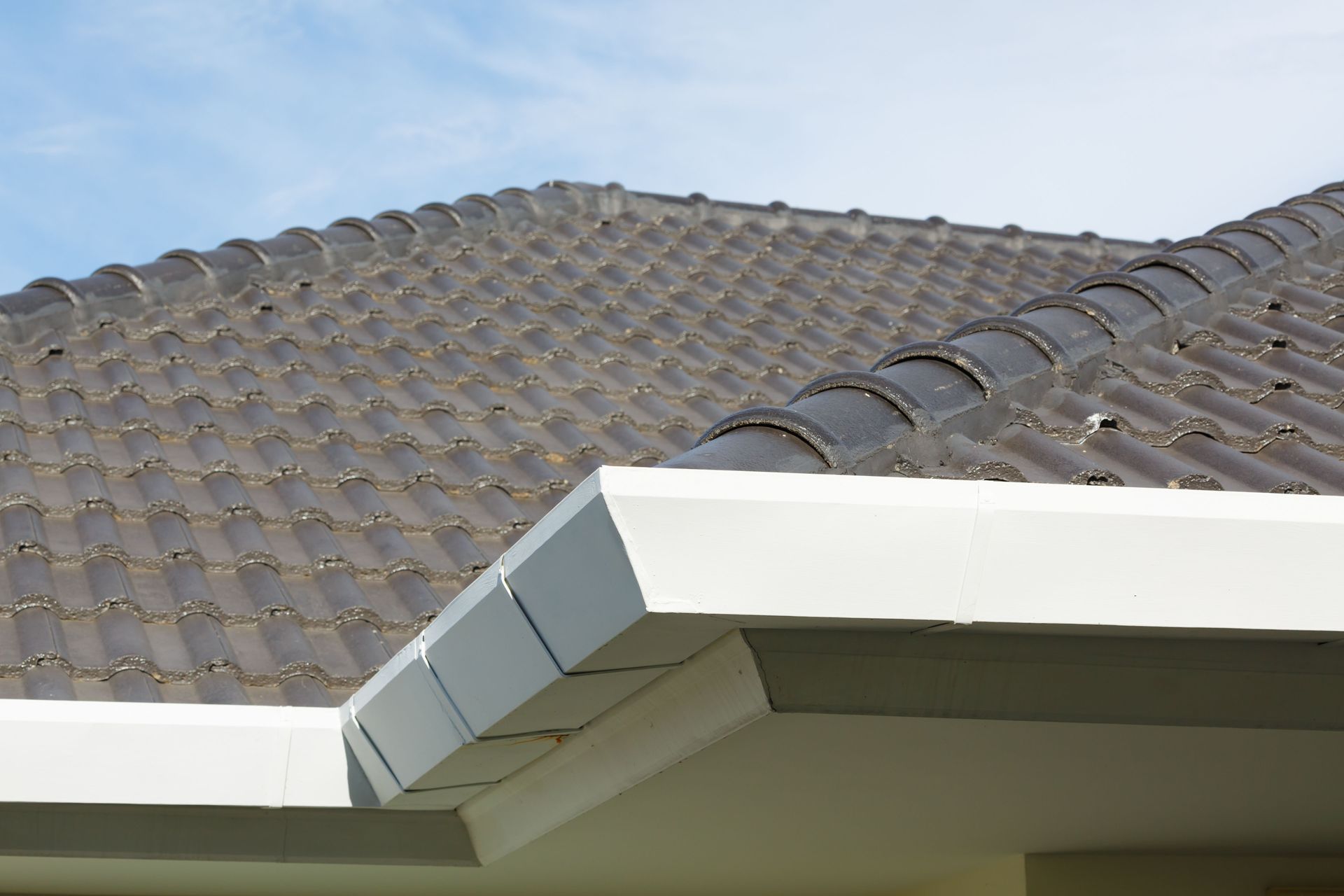
Professionals account for roof design, drip edge positioning, and water flow patterns to determine ideal placement. This level of precision reduces the likelihood of hidden water damage that can escalate over time. Proper placement also improves the overall appearance of the system, keeping it aligned with the roofline for a cleaner finish.
Underestimating Downspout Requirements
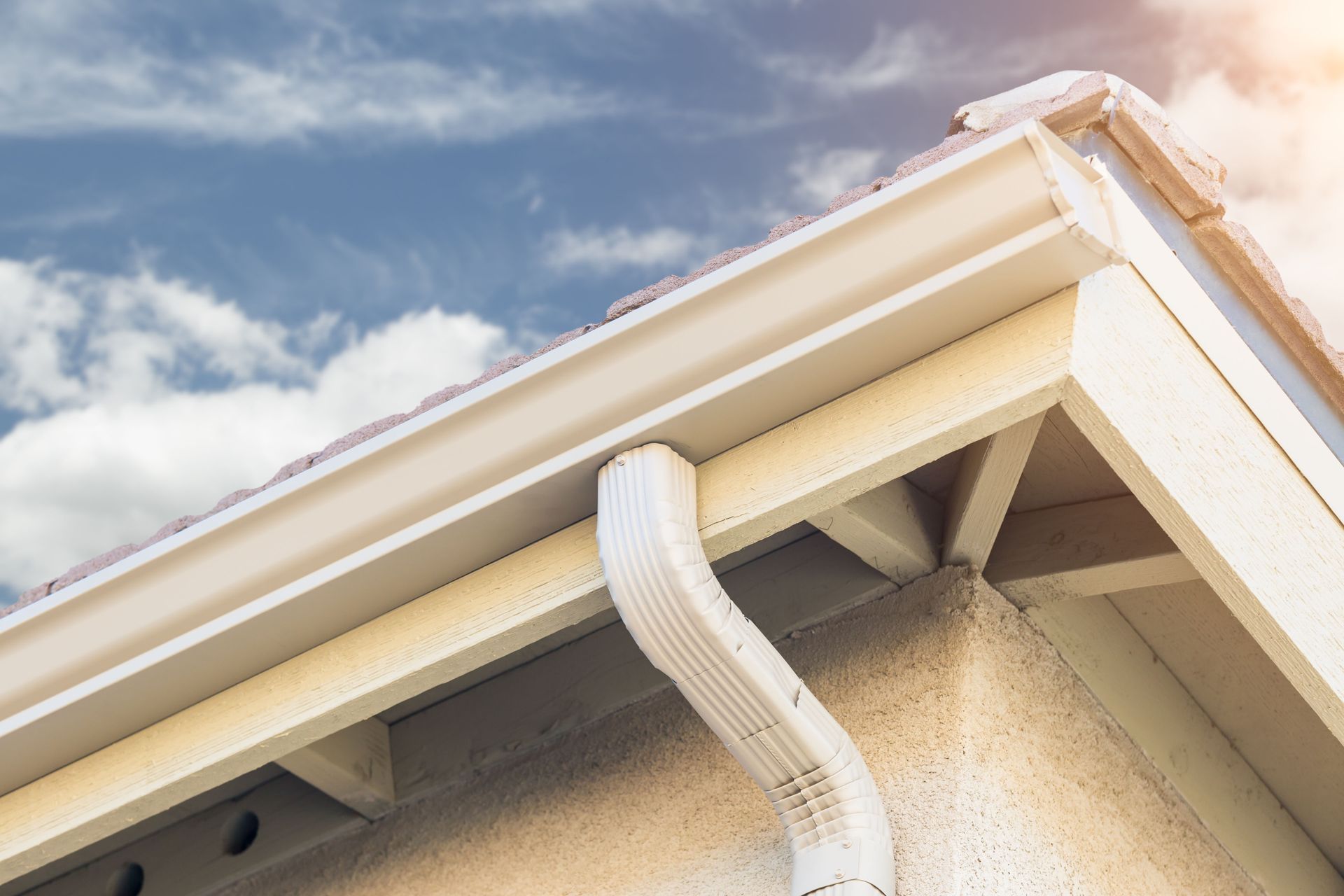
Downspouts are often treated as a secondary consideration, but they are essential to the overall performance of a gutter installation. Insufficient or poorly placed downspouts can overwhelm the system, causing water to back up and spill over the edges. Proper spacing depends on the structure and expected water volume.
Professionals evaluate drainage paths and landscape grading to position downspouts where water can be effectively redirected away from the home. This prevents pooling near the foundation and reduces long-term risk. They may also consider extensions or underground drainage solutions to move water even farther away when necessary.
Using Improper Fastening and Support Methods
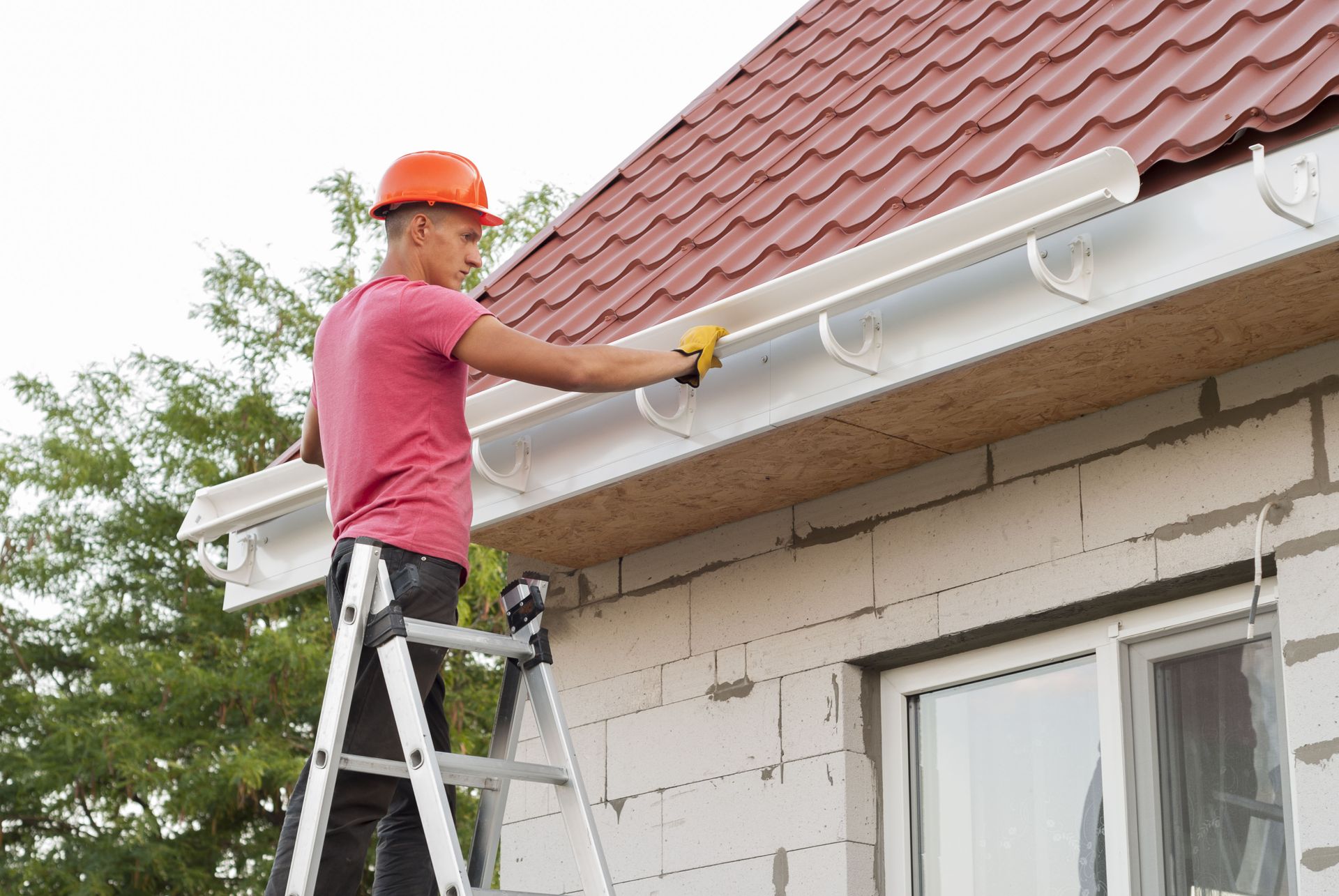
Gutters must remain securely attached to withstand years of weather exposure, debris accumulation, and water weight. Weak fastening methods or inconsistent hanger spacing can lead to sagging or complete system failure. Professional gutter installation includes precise spacing of hangers based on material type and environmental conditions. This helps maintain structural integrity over time.
In addition, fasteners are anchored into structural components rather than decorative trim. This distinction is critical, as trim alone may not provide the support needed to hold the system in place over time. Reinforcing key stress points also helps prevent warping during seasonal temperature changes.
Ignoring Seam Integrity and Sealing
Every joint, corner, and end cap in a gutter system represents a potential failure point. Poor sealing or misaligned sections can quickly lead to leaks. Professionals focus on tight connections, proper sealing techniques, and minimizing the number of seams whenever possible. Misaligned sections or poorly sealed joints often result in water escaping through gaps, especially during heavy rainfall.
By addressing these details during gutter installation, professionals reduce the likelihood of early deterioration and costly repairs. Attention to seam integrity also helps maintain consistent water flow throughout the system.
Selecting Inappropriate Materials for the Environment
According to Today's Homeowner, aluminum gutters typically last around 25 years when properly installed and regularly maintained. Material selection has a direct impact on durability and long-term performance. While there are multiple options available, not all are suitable for every climate or structure.
Professionals evaluate factors such as weather exposure, corrosion resistance, and maintenance requirements when choosing materials. Aluminum remains a widely used option due to its balance of durability and resistance to rust. Choosing the wrong material can lead to premature wear, warping, or corrosion, issues that significantly shorten the lifespan of a gutter system. Climate-specific considerations, such as salt exposure in coastal areas or heavy snow loads, also influence material selection.
Skipping Structural Assessment Before Installation
A successful gutter installation depends on the condition of the surfaces supporting it. Fascia boards and roof edges must be structurally sound before any system is attached. Professionals inspect these areas carefully and address any weaknesses before proceeding. Installing gutters on compromised surfaces can lead to detachment, water intrusion, and further structural damage.
This step is often overlooked, but it plays a major role in the overall longevity and stability of the system. Addressing these concerns early helps avoid more extensive repairs later.
Relying on Incomplete Tools and Equipment
Gutter installation requires more than basic tools. Precision cutting, seamless connections, and secure mounting all depend on appropriate equipment. Professionals arrive prepared with the right tools for each aspect of the job, from measuring and cutting to fastening and sealing. This preparation helps avoid inconsistencies that can arise when using inadequate equipment.
Having the correct tools also improves efficiency and allows for a higher level of accuracy throughout the installation process. It also reduces the likelihood of material waste due to improper cuts or adjustments.
Neglecting Long-Term Performance Considerations
A gutter system is not just about immediate functionality. It must perform consistently over time. This requires thinking beyond installation day. Professionals consider factors such as debris accumulation, seasonal weather patterns, and maintenance accessibility. They design systems that can handle ongoing exposure without frequent issues.
Without this forward-looking approach, even a newly installed system may begin to show signs of wear much sooner than expected. Factoring in future maintenance access also helps keep the system functioning efficiently year after year.
The difference between a short-lived system and one that performs reliably for decades often comes down to attention to detail. From precise measurements and proper pitch to secure fastening and thoughtful material selection, every step in gutter installation contributes to the outcome.
Avoiding these common mistakes requires both technical knowledge and hands-on experience, two factors that significantly influence long-term performance and durability. Taking a proactive approach from the start can help prevent recurring issues and protect the home's structure over time. For dependable gutter installation, connect with Rainey Gutters to get the job handled with the level of care your property deserves.