June 23, 2026
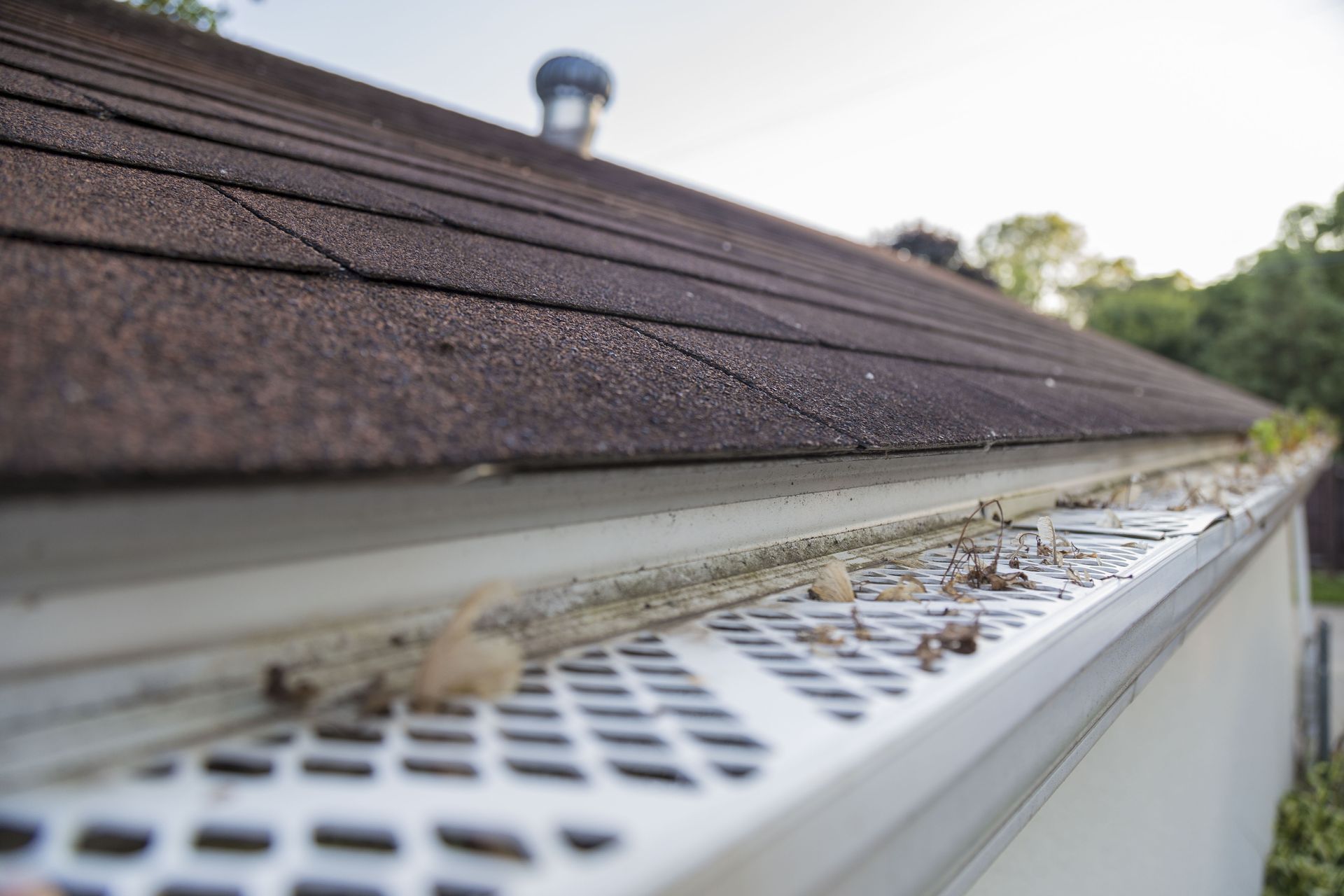
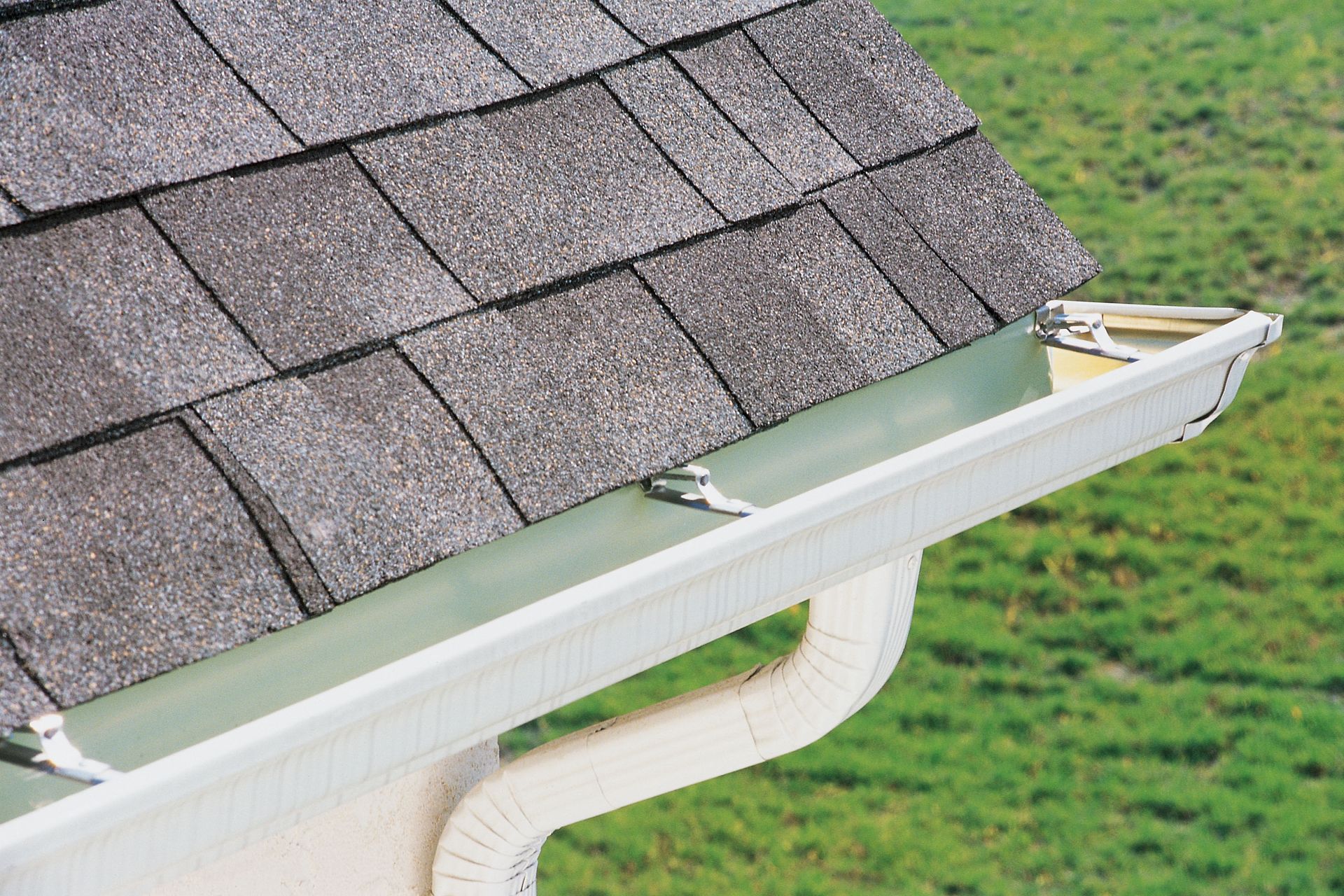
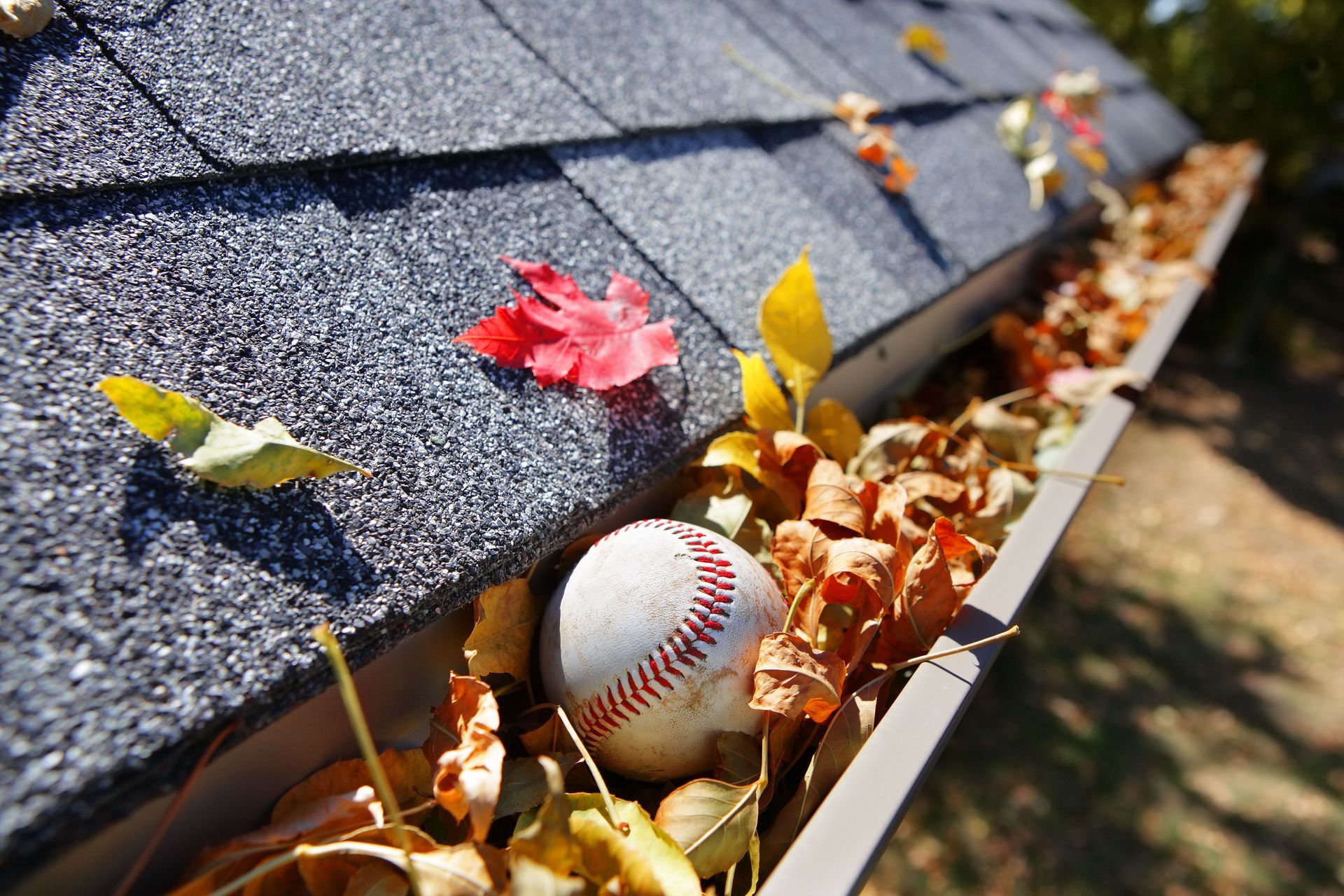
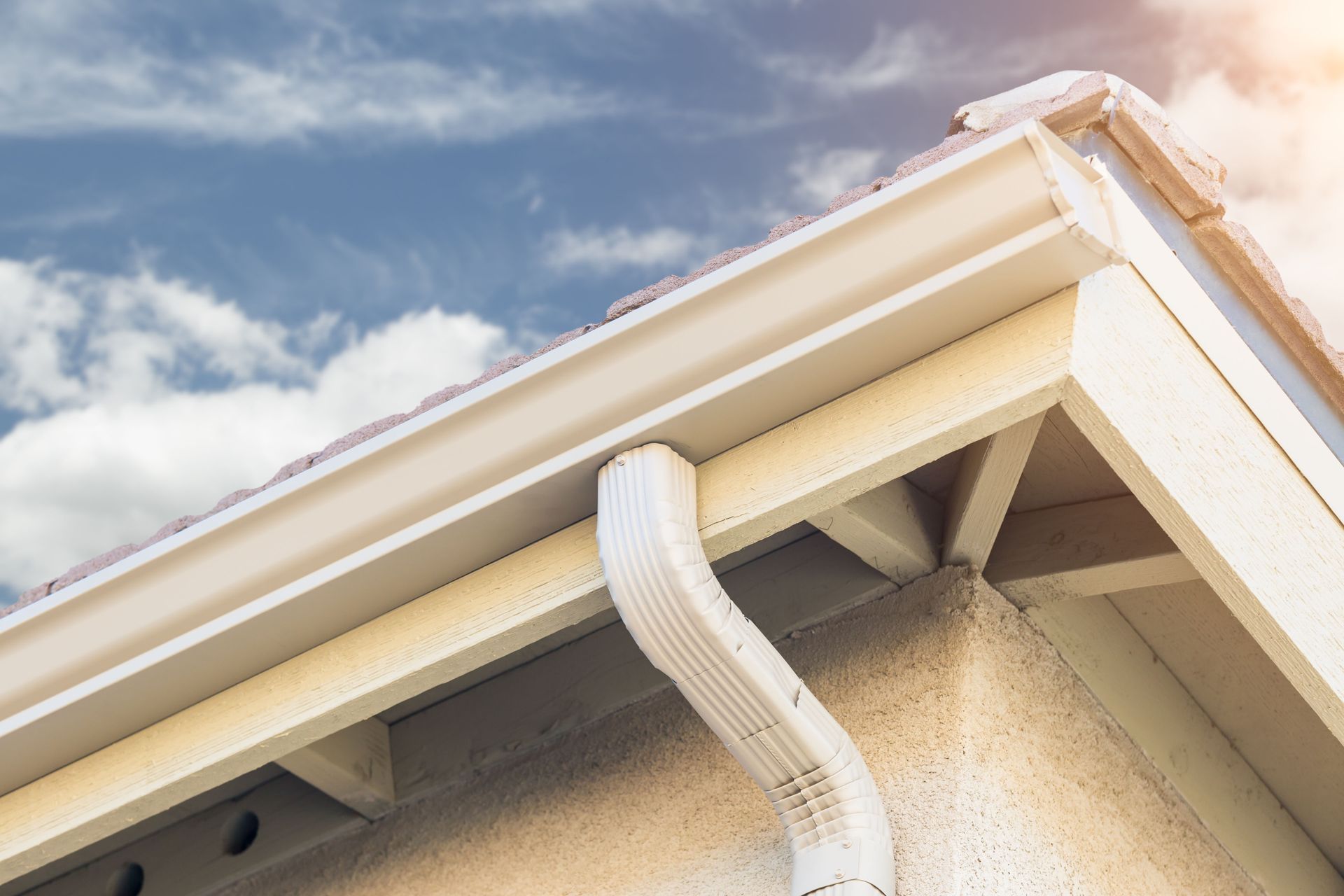
Every homeowner understands that maintaining a structurally sound property requires consistent attention to detail. Among the components that shield a house from elements, water diversion systems play a vital role. When rainwater cannot flow freely away from structures, it finds a destructive path. Debris like twigs, needles, and leaves collect in unprotected channels, leading to blockages. Investing in reliable gutter guards ensures that water moves efficiently, mitigating risks of overflow and subsequent property deterioration.
When water channels clog, spillover pools directly around the base of a house. Over time, constant saturation weakens concrete, leading to cracks, shifting, and structural failures. By installing protective barriers over channels, homeowners prevent the accumulation of heavy debris that causes water to back up. According to Gitnux market research platform, 55% of U.S. homeowners prefer to include gutter guards with new gutter installations to reduce maintenance by about 70%. This statistic highlights how proactive protection supports long-term structural integrity.
1. Mitigating Foundation Damage
Preventing Soil Erosion Around Foundations
When water diversion systems fail due to clogs, cascading sheets of water pour over the roof edges. This uncontrolled flow strikes the ground with force, eroding the surrounding soil and creating channels that direct water toward the foundation. Over time, this erosion weakens the stability of the ground supporting the home. Keeping systems clear helps direct runoff safely away instead of allowing destructive pooling near structural elements.
Reducing Hydrostatic Pressure Against Concrete Walls
Saturated soil expands and creates pressure against foundation walls. This pressure forces moisture through small openings in concrete and masonry, gradually weakening structural integrity. Persistent moisture exposure can lead to cracks, bowed walls, and long-term damage. Using gutter guards reduces excess water accumulation and limits the pressure placed on these critical surfaces.
Eliminating Basement Flooding Risks
Basements remain especially vulnerable to unmanaged surface water. Overflowing channels allow water to enter through window wells, cracks, or exterior access points. This leads to property damage, mold concerns, and costly repairs. Maintaining clear flow paths ensures water is directed properly, reducing the likelihood of interior flooding.
Stabilizing the Surrounding Earth
Consistent moisture imbalance can soften soil beneath a home, causing uneven settling over time. This can result in cracked drywall, misaligned windows, and structural shifting. Maintaining controlled drainage with gutter guards helps preserve soil consistency and supports long-term stability around the foundation.
2. Preventing Roof Damage
Eradicating Water Backflow Under Shingles
Clogged channels cause water to rise and seep beneath roofing materials. Once moisture penetrates shingles, it damages the underlayment and wooden decking. Over time, this leads to rot and expensive repairs. Keeping channels clear prevents water from reversing direction and damaging roofing structures.
Protecting the Structural Fascia Boards
Fascia boards support the entire water management system and define the roofline. When exposed to constant moisture, these boards deteriorate and lose strength. This can cause sagging or detachment of the system itself. Proper protection prevents standing water from damaging these essential components.
Minimizing Ice Dam Formation
During winter, clogged systems trap water that freezes and forms ice dams. These blockages force melting snow under shingles, causing interior leaks and insulation damage. Maintaining proper drainage prevents freeze cycles that lead to structural stress and moisture intrusion.
Preventing Excessive Weight Strain on Rafters
Accumulated debris and standing water create excessive weight along the roof edges. This added stress can weaken rafters and support structures over time. By limiting buildup, protective systems reduce strain and help maintain structural balance across the roofline.
3. Avoiding Exterior Wall Damage
Preventing Wood Siding Rot
Overflowing water continuously saturates exterior siding, leading to gradual deterioration. Even treated materials eventually weaken when exposed to repeated moisture. This damage allows water to penetrate deeper layers of the home, affecting insulation and framing. Controlled drainage helps protect these exterior surfaces.
Preventing Exterior Paint Peeling
Water running down walls weakens paint adhesion and leads to peeling or blistering. Over time, this affects both appearance and protective coatings. Maintaining dry surfaces helps preserve paint integrity and reduces the need for frequent repainting.
Eliminating Unacceptable Staining on Brick
Brick and stone surfaces absorb minerals and organic debris carried by overflowing water. This results in visible staining that is difficult to remove. Preventing overflow with gutter guards keeps these materials clean and reduces long-term maintenance requirements.
Protecting Exterior Window Trim
Window frames and trim are vulnerable to repeated water exposure. Persistent moisture can warp materials and weaken seals, allowing drafts and leaks. Proper water management protects these areas and maintains overall energy efficiency.
4. Eliminating Pest Infestations
Eradicating Mosquito Breeding Pools
Standing water in clogged systems creates ideal conditions for mosquito breeding. These hidden pools allow populations to grow quickly around the property. Eliminating stagnant water removes this environment and helps reduce pest activity.
Discouraging Bird and Squirrel Nesting
Open systems attract wildlife seeking shelter and nesting space. Animals bring debris that worsens blockages and introduces additional pests. Physical barriers prevent access and keep systems clear of unwanted materials.
Deterring Wood-Boring Carpenter Ants
Damp, decaying wood attracts carpenter ants that can spread into structural framing. Once inside, they create hidden damage that weakens support systems. Maintaining dry conditions reduces the likelihood of infestation.
Preventing Termite Access Points
Moist soil near foundations creates an ideal environment for termites. Overflowing water increases soil saturation, encouraging colony growth. Controlling water flow helps reduce these risks and protects structural wood components.
5. Preserving Landscaping
Protecting Expensive Foundation Plants
Overflowing water damages delicate plants and disrupts root systems. Excess moisture can lead to plant loss and require costly replacements. Proper drainage preserves landscaping investments and supports healthy growth.
Preventing Ugly Lawn Washouts
Uncontrolled runoff creates trenches in lawns, exposing roots and damaging grass. These washouts affect appearance and require extensive repairs. Directing water away properly helps maintain consistent lawn conditions.
Preserving Mulch and Hardscape Features
Heavy runoff displaces mulch, stones, and soil, affecting landscape design. It can also shift pavers and create uneven surfaces. Maintaining controlled flow keeps materials in place and preserves the intended layout.
Maintaining Proper Soil Grading
Overflowing water disrupts carefully designed grading around a property. This can create slopes that direct water toward the home instead of away. Using gutter guards helps maintain proper grading and supports effective drainage.
6. Maximizing System Lifespan
Preventing Internal Rust and Corrosion
Moisture trapped with organic debris accelerates corrosion in metal systems. Over time, this leads to deterioration and failure. Keeping systems clear helps extend their usable lifespan and maintain performance.
Eliminating Channel Sagging and Warping
Excess weight from debris causes sagging and misalignment. This affects water flow and increases the likelihood of overflow. Removing buildup helps maintain proper positioning and function.
Reducing Seam Separation Failures
Heavy debris places stress on seams and connections within the system. Over time, this can lead to leaks and structural failure. Maintaining a clean system reduces strain and preserves integrity.
Minimizing Pull-Away Accidents
Clogged systems can become heavy enough to detach from the home entirely. This causes damage to the fascia and surrounding structures. Proper protection reduces weight and keeps systems securely in place.
Maintaining a home requires thoughtful decisions that protect against long-term damage. Instead of repeatedly dealing with buildup and structural risks, homeowners can rely on modern solutions that promote consistent performance. Incorporating gutter guards into a property’s drainage system helps reduce maintenance demands while improving overall reliability.
Our professional team provides durable solutions designed to protect your home’s foundation, roof, and exterior features. By choosing effective water management systems, homeowners can preserve their property’s value and reduce costly repairs over time. Protect your investment by contacting Rainey Gutters today for expert installation services.